
Anchor Hymns, Travis Ryan, Andrew Osenga - When We Walk Together (CCM)

'When We Walk Together' by Anchor Hymns featuring Travis Ryan and Andrew Osenga is a powerful CCM song that highlights the strength and comfort found in community. The lyrics beautifully convey the message that when we walk, mourn, and sing together, we are not alone.
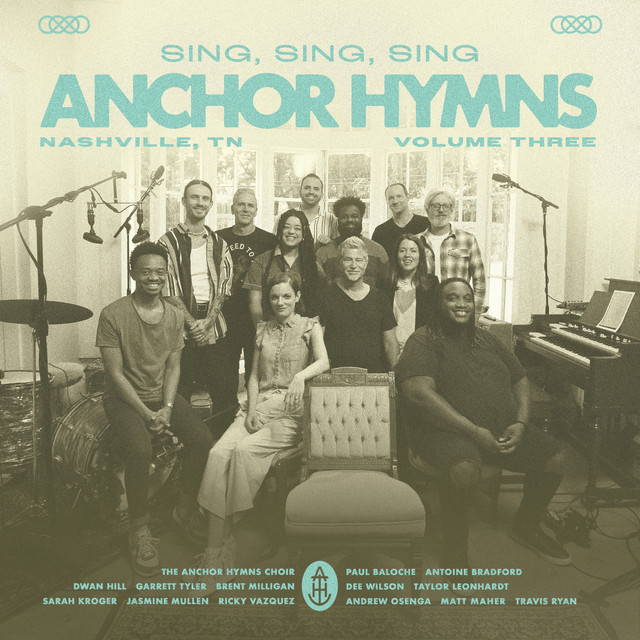
Anchor Hymns, Travis Ryan, Andrew Osenga - When We Walk TogetherThe song emphasizes the importance of supporting and carrying one another's burdens, making the journey of life feel less daunting. It acknowledges that in times of mourning, we find solace in the presence of others who mourn with us. The lyrics recognize the power of shared experiences, as they bring unity and a sense of belonging.

The song's lyrics also speak to the weariness we may experience on our journey, but assure us that we are not alone in those moments. It reminds us that even in the darkest of times, the dawn is near. The repeated refrain of 'Amen' further solidifies the song's message of affirmation, faith, and assurance.

'When We Walk Together' is a beautiful reminder of the power of community and encourages listeners to lean on one another, rely on God's promises, and look forward to the promised land as they navigate life's challenges.


Connect with Anchor Hymns, Travis Ryan, Andrew Osenga

  • Website: https://www.anchorhymns.org
  • Instagram: https://www.instagram.com/anchorhymns/
  • Facebook: https://www.facebook.com/Anchor-Hymns-100083028393048


You can listen to the track directly on Spotify: https://open.spotify.com/track/50qpvUU503AcyTC9tXBAYz

Here is a link to the video on Youtube: https://www.youtube.com/watch?v=SaPi3UQq7eQ

Would you like to hear more CCM music? Then check out our Christian playlists on: https://www.christiandance.eu/playlists

Popular posts

"Clothed With Dignity" by Grace Frances: Trading Shame for a New Identity

Your worth was never up for negotiation.  Grace Frances wrote “Clothed With Dignity” from a place most of us recognize (in some form or other) but will rarely admit out loud. She carried old regrets like a second skin, calling herself names that her past mistakes didn’t deserve. “I demonize the girl I was, when she was just trying to survive,” she sings, and that line hurts. Haven’t we all judged ourselves for choices that we made while simply trying to get through the day? Even choices that seemed to be fine in the moment, but proved to be otherwise over time.  Grace’s breakthrough didn't come from fixing herself, but from surrendering… surrendering to God. “You clothe me with dignity,” she declares, describing a moment where self-condemnation lost its grip and grace took over.  Grace’s story is fairly similar to the story found in Isaiah 61:10 —  “I will greatly rejoice in the Lord; my soul shall exult in my God, for he has clothed me with the garments of salvation; h...

"Just Believe" by For Him: When Doubt Isn't Disqualifying

Can you believe without having all the answers? Some people wait at the edge of faith for years, arms crossed, waiting to feel ready. “Just Believe” was written by For Him for exactly that person — the one who wants to trust Jesus but still carries a list of questions. The song grew out of that in-between space, where doubt and faith sit side-by-side and neither one of them wins outright. Gritty Southern-rock guitars carry lyrics that ask a two-thousand-year-old question: “Could Love have worn a human face?” The answer to that question brings purpose and comfort to our lives. The song doesn’t demand certainty before you move. It invites wonder instead. “You don’t have to shape your future // He begins where you can’t reach.” The message and intent of this song make it clear that you don’t need to figure out everything first before you can take a step toward God.  A man quoted in the gospel of Mark understood this tension better than most of us. Desperate for his son to be healed,...

"I've Got Joy" by Tyler Philip Ratcliffe: Why Joy Isn't the Same as Happiness

Sorrow and joy can share the same room. “I’ve Got Joy” by Tyler Philip Ratcliffe was triggered by a telephone call. Tyler reconnected with an old friend who’d been going through a period of loneliness. Tyler shares: “We talked at length about the season of loneliness he was experiencing, and we discussed a few other topics that are reflected in the verses.” This triggered Tyler to tackle this concept of having Joy, and it became clear that “I’ve Got Joy” isn’t the same as “I’ve Got Happiness” . Joy is more than happiness, and it certainly isn’t a painted-on smile. Tyler makes that distinction on purpose, because he’s writing about the nights he spent “down to my last prayer,” and about sitting “in a room full of people” while feeling completely invisible. He’s writing about all of the kneeling and “begging for the answer to a question I can’t speak.” That’s real, and that’s most of us, on our worst weeks. The chorus takes us back to “joy”. Tyler sings: “I’ve got joy in my lungs, ye...